How about sound as a underwater weapon. Submarines use active sonar to protect themselves from hostile divers. The sonar pulse can liquify organs at a hundred-or-so meters distance…The exact effective range is highly classified, but the pulse is quite strong (don’t snorkel near submarines)…
There’s also depth charges, acoustic-homing weapons (e.g. torpedoes), cavitation weapons that produce a pocket of air around the weapon (air is easier to pass through than water), or water pressure itself. A cubic meter of water weighs one-tonne, and water hates being compressed…it will compress everything around it instead…
During the Second War, the British Coastal Command discovered that 20mm Armour-piercing rounds could travel through water and penetrate the hulls of ships below the waterline. The standard Armour-piercing rocket acted like a miniature rocket-propelled torpedo in the water too (with the same effect). In the gun-camera clips below, the bullet and rocket impacts in the water around the ships were not bad aiming, they’re a preferred means of sinking the ships.
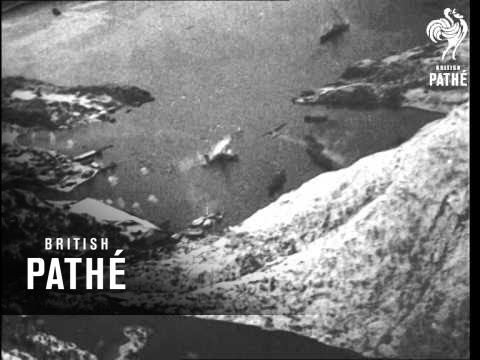
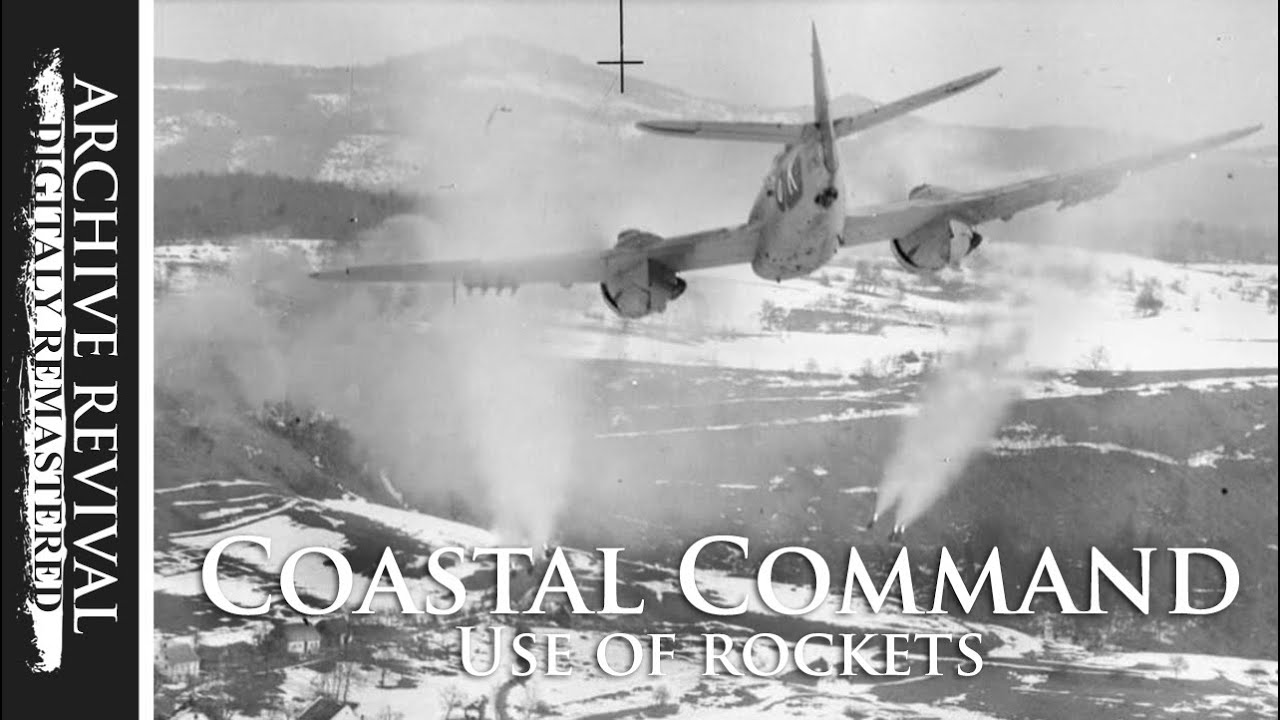
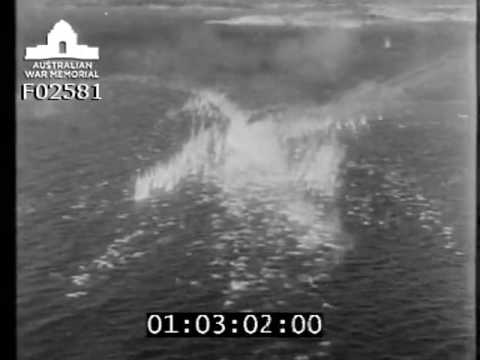
The RAF also fitted a Mosquito fighter with a 6pdr anti-tank gun for dedicated anti-shipping work (the Mosquito Mk XVIII). One of these Mosquitoes sank a U-Boat hiding at periscope depth…The cannon shell travelled several feet into the water and passed through both sides of the U-Boat’s hull…