so does that sound like your experience?
1 Like
That does sound like me.
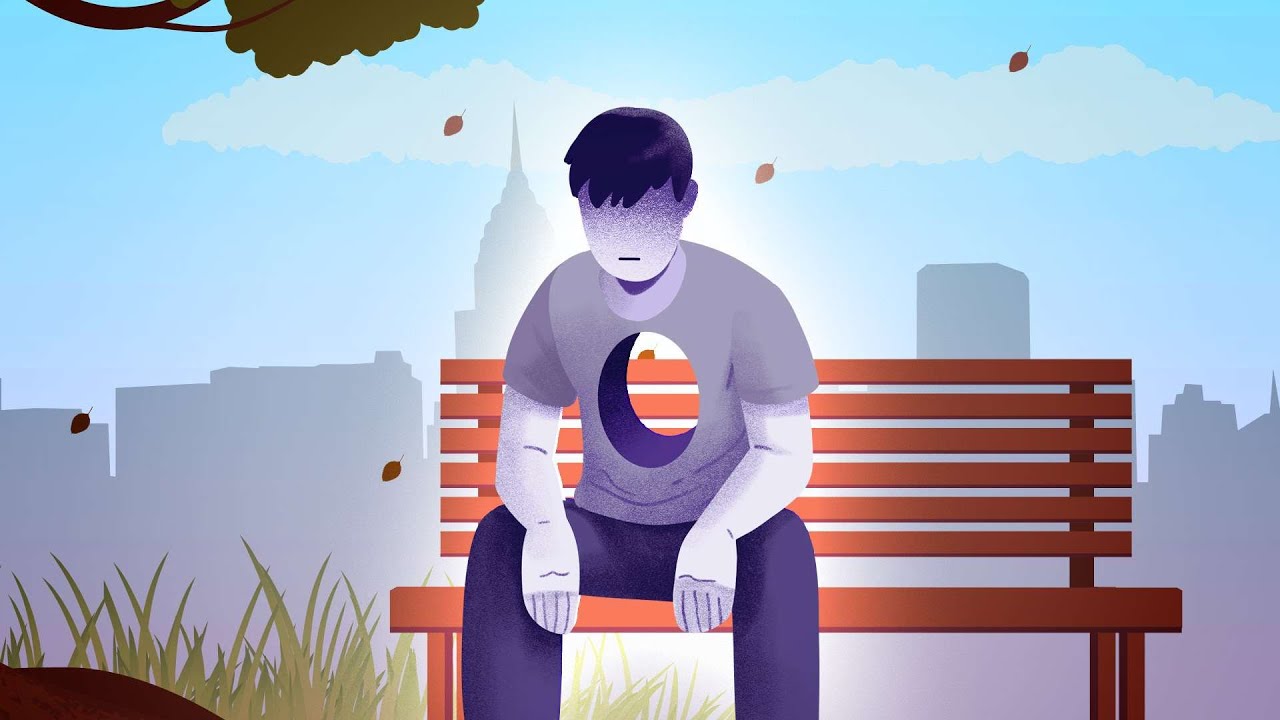
i haven’t seen the whole video. but between 6:29 and 12:15 talks about Alexithymia if you want to know more.
there should also be a chapter labeled what is alexithymia
2 Likes
there are different phenomenon which people get confused
- emotional resonance : someone feeling an emotion makes me feel that same emotion as me. aka they are sad so I am feeling sad.
- cognitive allignment: I am thinking like another person but as myself. they think blue is lovely and i also think blue is lovely
- social reactivity: someone’s feelings makes me have different feelings than them. they are happy so I am feeling pissed. ’
- attitude divergence - someone is thinking something and it makes me think something else: they think green is wonderful, I think purple is better.
- affective empathy - i feel someone else’s emotions as if it were my own. aka they feel overjoyed they got their book published so I feel overjoyed as if I got my own book published
- cognitive empathy- i understand why someone thinks and acts as they do aka stepping into their shoes.
- identification- i am becoming another person i am feeling, thinking, etc as someone else.
2 Likes
I do have that. What changed is me taking a simple test to learn more.
So, what now?
1 Like
some followup questions
cognitive allignment: I am thinking like another person but as myself. they think blue is lovely and i also think blue is lovely
attitude divergence - someone is thinking something and it makes me think something else: they think green is wonderful, I think purple is better.
1.
do you struggle with having either cognitive allignment or attitude divergence?
like when I know someone’s thoughts/opinions/evaluations- it never triggers my own thoughts/opinions (whether agreeing or disagreeing)
cognitive empathy- i understand why someone thinks and acts as they do aka stepping into their shoes.
2. do you struggle with cognitive empathy?
1 Like
Yes to one and two.
Quick question: Will whatever answer you gather make things harder for me to try to enjoy reading more and possibly publish a book someday?
enjoyment is a specific emotion. alexithymia doesn’t effect your ability to enjoy something it effects your ability to identify that you are enjoying something.
1 Like
So, I can still pursue publishing, it will just be harder and a bit longer because of certain mental and emotional qualms?
I am wondering how I should tackle reading and writing now, with this newfound information.
ofc you can still pursue publishing.
another question do you mask/ camaflogue / compensate as a nd person or attempt to?
(if its too personal no need to answer or you can message me)
1 Like
Yes, I mask.
1 Like
ah kk that might be effecting you.
okay so if someone has alexithymia they may not be able to identify if they enjoy something but they can evaluate if they like it. and its them evaluating and thinking and doing things they like etc that gets them to be able to keep reading etc.
if a person is masking it disconnects them from their own thinking and evaluations.
1 Like
do you feel ok comfortable/ unmasking? if not thats totally okay just let me know
1 Like
I honestly don’t know. I’ve never reached a point where I wanted to lower my walls down and be my true self.
I guess that thought does make me uncomfortable because I don’t want to make a scene or get viewed differently by others.
So, the mask stays on because I’m not ready to let go of it entirely.
But that doesn’t change the fact that I am constantly exhausted and annoyed by it.
I’m just not ready to be uncomfortable.
totally fine.
okay when you read a book and annotate this is what i want you to do. I want you to ask yourself the following
- is it easy or difficult for me to understand what the character/s thinks?
- is it easy or difficult for me to understand what the characters believe?
- is it easy or difficult for me to understand how a character thinks?
- is it easy or difficult for me to understand how a character forms their beliefs/ opinions?
- is it easy or difficult for me to understand why a character thinks a certain way?
- is it easy or difficult for me to understand why a character believes what they believe?
- is it easy or difficult for me to understand why a character has the opinions they have?
then after answer; ask why without blaming or attributing it to yourself.
so don’t go oh its difficult because my head is cluttered. find a specific reason from the text.
1 Like
Interesting.
I’m going to copy and paste this somewhere then print it out tomorrow.
Is this just for characters? What about anything else in the relation to the story when reading and annotating?
you can also do the same thing for the story and the narrator.
narrator
- is it easy or difficult to know what the narrator is telling me?
- is it easy or difficult for me to know why the narrator is telling me this now?
- is it easy or difficult for to know what the narrator is telling me that in that way?
story
- is it easy or difficult for me to know what is happening?
- is it easy or difficult for me to know why it is happening now/ at the time it is?
- is it easy or difficult for me to know how it is happening?
- is it easy or difficult fro me to know why it is happening the way that it is?
then after answer; ask why without blaming or attributing it to yourself.
so don’t go oh its difficult because my head is cluttered. find a specific reason from the text.
1 Like
easy= instaneous get it
difficult = anything not instaneous
1 Like
Thanks.
Well, I’m ready to tackle reading and writing differently again. I’m wondering how my edits will fair when I am done.
1 Like
This article just popped up on my home page  The one change that worked: I was lost in the infinite scroll – until a small ritual renewed my love of reading | Books | The Guardian
2 Likes